
Lokniti
Capacity building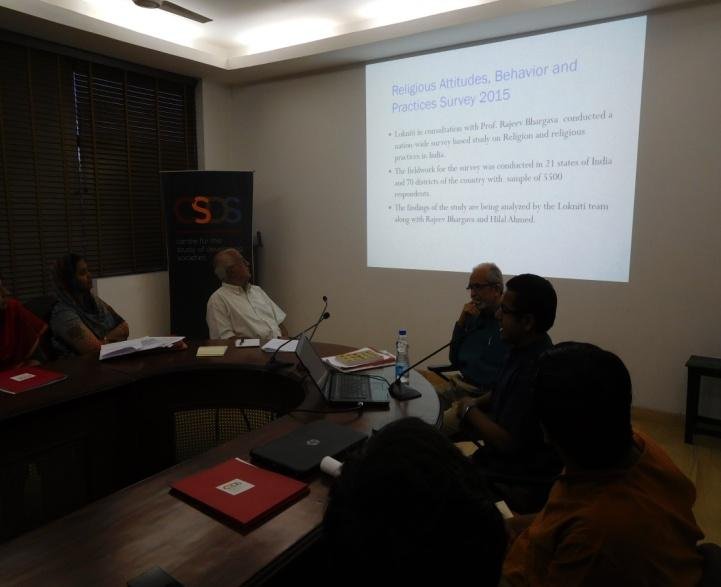
Lokniti has been conducting workshops, seminars and summer schools since a decade with an aim to engage in skill-building for the young researchers and social scientists on several issues on the broad spectrum of Indian politics. Apart from the training workshops that we periodically organize for the field investigators, our summer school brings together researchers and provides an opportunity to engage in quantitative training and survey research
Summer School
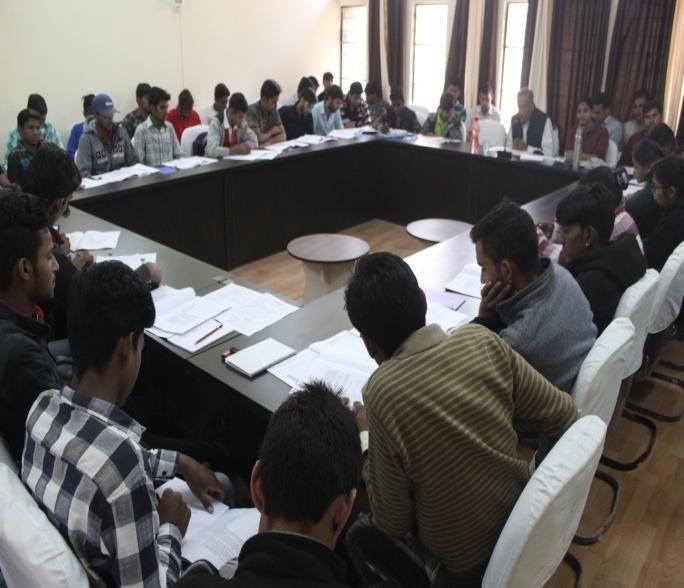
Research is a logical and systematic search for new and useful information on a particular topic. On the other hand methods are the tools which help the researchers solve the research problems. These methods can be both qualitative and quantitative in nature. However, in India, the orientation in social science research was towards the qualitative research and limited use of quantitative method. Hence, there was an urgent need that Indian student should have knowledge and training of the quantitative methods. This was motivation enough for Lokniti to take an initiative for training Indian Political scientists/researchers in quantitative methods. The first of its kind workshop on quantitative methods was started in 2008 at Indian Institute of Advanced Study (IIAS) in Shimla. Since then Lokniti has been organising Summer Schools on “Analysing Quantitative Research Techniques in Indian Politics” for the past eight years. First three workshops were organized in association with Indian Institute of Advanced Study (IIAS) at Shimla and later with Jain University, Bengaluru at Bengaluru. The objective of this workshop is to bring together a group of political scientists/researchers from across the country with the aim of providing them an opportunity to improve their skills in quantitative analysis. A special emphasis is placed on making sense of and interpreting quantitative data on Indian politics. This capacity building activity have the two pronged advantage of providing training to those who do not have access to rigorous methodological training in their native institutions, while also allowing for an expansion of the Lokniti network.